Explore different ways to reflect on grief, dreams, family memories, and the questions that stay with you. Choose a profile to learn about that reading approach.
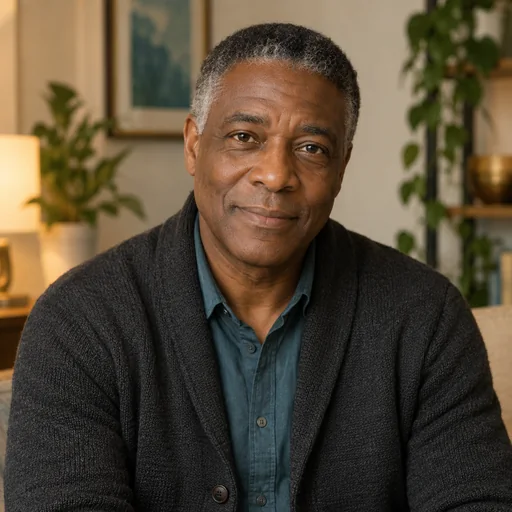
These editorial profiles and AI-generated portraits are illustrative. They do not identify specific practitioners; confirm a reader’s identity, credentials, and availability before booking.
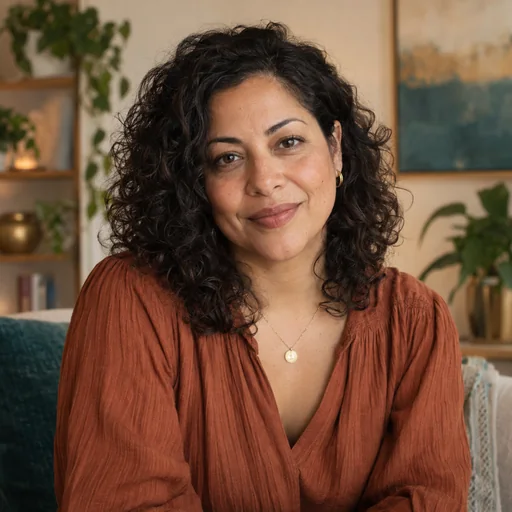
Elena’s approach begins with careful listening and room for a person to describe what they hope to explore. Her style is quiet and reflective, with attention to names, shared memories, familiar expressions, and the small…
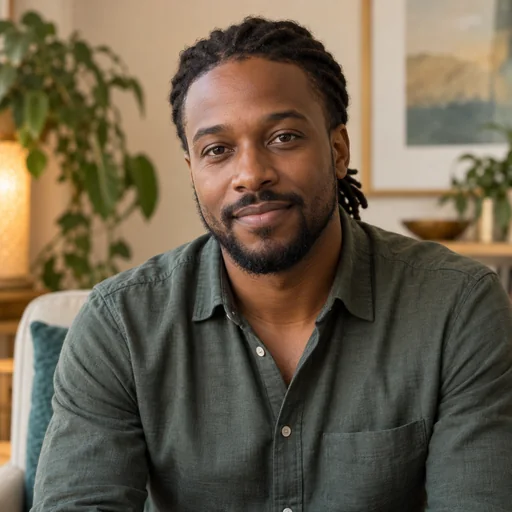
Marcus is drawn to the personal language people find in dreams, recurring images, and unexpected reminders of someone they miss. He invites clients to begin with what they actually noticed: the setting of a dream…
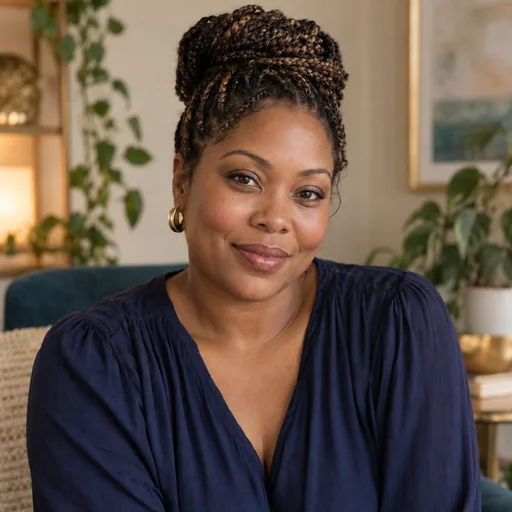
Sofia makes room for the complicated feelings that can remain after a relationship ends through distance, conflict, or loss. She approaches unfinished conversations gently, without assuming that every story needs a neat resolution. A reading…
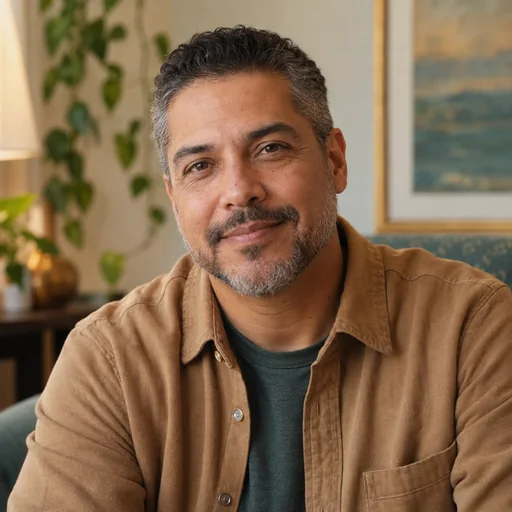
Amara’s work centers on the ways remembrance lives in ordinary routines: a recipe, a familiar phrase, a place revisited, or a ritual that brings someone to mind. She encourages people to speak about the person…
Thomas prefers the considered pace of written reflection. He helps people turn a broad concern into a clear question, then looks at the memories, images, or feelings connected to it. Writing gives clients room to…
Nia enjoys exploring the emotional texture of dreams: what felt vivid, what seemed familiar, and which moments stayed with someone through the day. She encourages keeping a simple dream journal without insisting that every detail…
Julian’s approach is suited to people standing at a crossroads and wanting time to hear their own thoughts more clearly. He invites a person to describe the decision, the values involved, and the hopes or…
Priya is interested in the stories families pass along through language, food, celebrations, and shared traditions. She invites people to bring their own cultural context into a conversation rather than assuming that every family remembers…
Gabriel often starts with an image from the natural world that has taken on personal meaning: a particular tree, bird, season, or landscape tied to a memory. He asks what the image brings to mind…
Lila uses the idea of a letter as a gentle way to explore words that were never spoken or that still feel important. Clients may reflect on what they would write to someone they miss…
Daniel believes a reflective conversation should leave a person feeling free to make their own choices. He pays attention to boundaries, the difference between hope and certainty, and the importance of moving at a comfortable…
Mei explores how sensory memories can bring a relationship close: the sound of a laugh, the scent of a familiar kitchen, or the feel of an object kept for years. She invites clients to notice…
Owen enjoys hearing the small particulars that make a person’s story distinct: a favorite saying, an old hobby, or the way someone approached an ordinary day. He helps clients gather those fragments into a fuller…
Zara focuses on the days that can make grief feel newly present: anniversaries, birthdays, holidays, and unexpected reminders. She helps people consider what they need from those moments and how they might care for themselves…
Ethan works with people who are living through change and looking for a thoughtful way to frame what comes next. He asks questions that separate what is known from what is feared or hoped for…
Camila makes space for the many forms family can take, including close friendships and relationships that do not fit a traditional label. She is interested in the rituals people create to keep an important bond…
Noah takes a low-key approach for people who prefer a little space to think before answering. He listens for the concern underneath a question and checks that he has understood before offering a reflection. A…
Aisha likes to explore the stories people attach to symbols, objects, and repeated images. She begins with the person’s own associations: where an image appeared, what was happening at the time, and which memory it…
Leo believes remembrance can include laughter, ordinary quirks, and stories that have nothing to do with loss itself. He encourages people to recall the person as they lived: their habits, favorite pastimes, and the moments…
Hannah uses the idea of life chapters to help people reflect on where they have been and what they want to make room for next. A conversation may revisit a relationship, a transition, or a…
Rafael is interested in the personal histories held by everyday objects: a photograph, a handwritten note, or something kept in a drawer for years. He invites clients to share the story behind an item and…
Grace’s approach includes brief pauses to help a person notice what they are feeling before moving to the next question. She believes reflection works best when clients have time to check in with themselves and…
Benjamin helps clients shape a question they can work with and consider what a useful next step might look like. He separates the parts of a situation that can be acted on from those that…
Talia is drawn to creative ways of remembering: assembling a small collection of photographs, revisiting a meaningful place, or making something inspired by a shared memory. She helps clients consider which rituals feel genuine to…
Isaac recognizes that a major loss can change how a person understands themselves as well as how they remember someone else. He invites clients to talk about the roles, routines, and parts of identity that…